Cat Grooming Guide: Why Regular Grooming Matters for Your Cat
Regular grooming is essential for a cat’s health and comfort. It prevents matting, reduces skin infections, and removes loose fur that minimizes hairballs. Grooming also stimulates blood circulation, enhancing coat quality and vitality. Early detection of lumps, wounds cat grooming, or parasites during grooming aids timely veterinary care. Maintaining a clean, tangle-free coat supports ease of movement and overall well-being. Understanding proper techniques and signs to watch for guarantees effective care and a happier cat.

Essential Grooming Tools for Your Cat
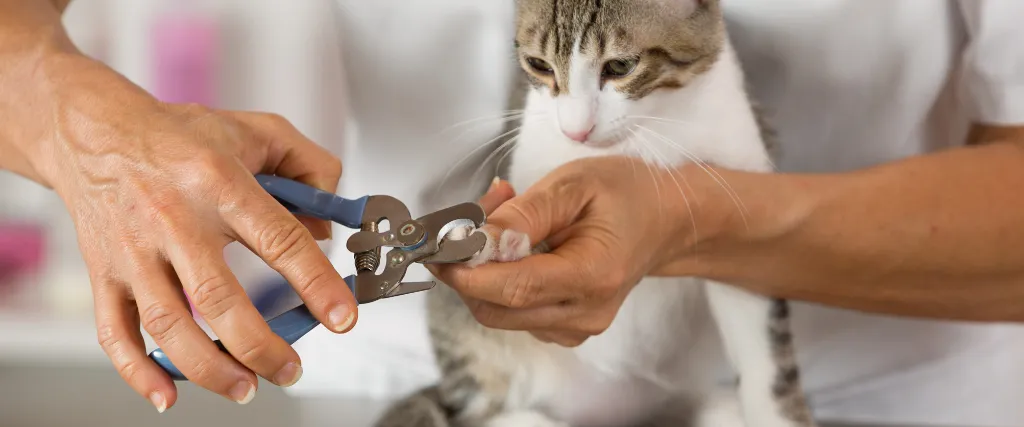
When preparing to groom a cat, selecting the right tools is essential for effectiveness and comfort. A quality brush suited to the cat’s coat type eases detangling and reduces shedding. For short-haired cats, a soft-bristle brush or rubber grooming mitt is ideal, while long-haired cats benefit from a slicker brush or wide-toothed comb pet universe starlux. Nail clippers designed specifically for cats help maintain paw health without causing stress. Additionally, grooming scissors with rounded tips can safely trim problematic fur.
A grooming mat or towel provides a stable surface, enhancing control and safety. Choosing ergonomic tools guarantees the process is smooth and relaxed, aligning with an owner’s desire to respect a cat’s independence while maintaining its well-being.
Step-by-Step Grooming Routine for Short and Long Hair
Selecting appropriate grooming tools sets the foundation for an effective routine tailored to a cat’s coat type. For short-haired cats, a soft-bristle brush or grooming mitt removes loose fur and dirt efficiently. Begin by gently brushing in the direction of hair growth to avoid discomfort.
For long-haired cats, a wide-toothed comb followed by a slicker brush helps detangle and smooth the coat, preventing mats. Start at the head, working towards the tail, paying attention to under the legs and belly where tangles form.
Regular grooming sessions maintain coat health and reduce shedding. Both coat types benefit from checking ears, eyes, and nails during the session. This step-by-step approach supports a clean, comfortable cat while respecting their natural movement and independence.
Tips to Make Grooming Comfortable and Stress-Free
To make sure grooming sessions remain pleasant, creating a calm environment is essential. A quiet space with minimal distractions helps cats feel secure and relaxed.
Using gentle, slow movements and speaking softly reduces anxiety. Starting grooming gradually allows the cat to adjust, building trust over time.
Choosing the right tools—brushes suited to fur type—and keeping them clean enhances comfort. Allowing the cat to take breaks or stop when showing signs of stress respects its autonomy.
Offering treats or praise can positively reinforce cooperation. Avoid forcing or rushing the process, as this may cause resistance.
Common Health Warning Signs During Grooming
Regular grooming sessions serve as valuable opportunities for early detection of health issues in cats. Observing changes in the skin, such as redness, swelling, or unusual lumps, can indicate infections or tumors.
Excessive dandruff or flaky patches may signal allergies or skin conditions. Noticeable hair loss or bald spots often point to parasites or underlying illnesses.
Groomers should also watch for wounds or sores that fail to heal. Additionally, unusual odors or discharge from the ears and eyes can reveal infections.
Behavioral signs like increased agitation or sensitivity during grooming might suggest pain or discomfort. Recognizing these warning signs promptly allows for timely veterinary intervention, supporting the cat’s freedom from prolonged suffering and maintaining overall well-being.
Why Regular Grooming Matters for Your Cat’s Health
Providing consistent grooming contributes substantially to a cat’s overall health by preventing matting, reducing the risk of skin infections, and facilitating early detection of abnormalities.
Regular brushing removes loose fur and dirt, minimizing hairballs and promoting a clean, comfortable coat. It also stimulates blood circulation, enhancing skin vitality and coat quality.
Early recognition of lumps, parasites, or wounds during grooming allows timely veterinary intervention, preventing serious health issues. Moreover, grooming supports the cat’s freedom of movement by avoiding painful tangles and discomfort.
Conclusion
Regular grooming is essential for maintaining a cat’s overall health and well-being. Using appropriate tools and following a consistent routine helps prevent matting, reduces shedding, and allows early detection of potential health issues. Making grooming a positive experience minimizes stress for the cat and strengthens the bond with its owner. Ultimately, consistent grooming supports a cat’s comfort, cleanliness, and longevity, highlighting its importance as a crucial aspect of responsible pet care.